One Who Is Forgiven Much Loves Much! (Parable of the 2 Debtors)
Sofia Margaret Mathai · Oct 11, 2026
Back to Media
About This Message
In this encouraging message, Sofia Mathai explores the connection between forgiveness, gratitude, and love through Jesus’ teaching in the Parable of the Two Debtors. This biblical account reveals a powerful truth: when we understand how much we have been forgiven, our hearts are moved to love more deeply. Jesus tells the story of two debtors who owed different amounts to a creditor, but neither could repay their debt. The creditor graciously forgave them both. Through this parable, we discover how an awareness of forgiveness shapes our love, devotion, and response to God. This teaching invites us to reflect on Luke 7:36–50, where Jesus contrasts the responses of those who recognise their need for forgiveness with those who fail to appreciate the depth of God’s grace. It challenges us to examine our hearts, move beyond self-righteousness, and recognise the mercy we have received. Sofia Mathai encourages listeners to understand that genuine love for God flows from a heart that recognises His forgiveness. Rather than taking His grace for granted, we are invited to respond with gratitude, humility, worship, and wholehearted devotion. The message also encourages us to extend grace and forgiveness to others, remembering the mercy God has shown us. Ultimately, this teaching reminds us that the greater our awareness of God's forgiveness, the deeper our love and gratitude can become. Join Sofia Mathai as she explores the transforming power of God's grace and encourages us to live with hearts full of love, thankfulness, and devotion to Him.
Sermon Notes
One Who Is Forgiven Much Loves Much — The Parable of the Two Debtors | Sofia Mathai
In this message, Sofia Mathai explores Jesus’ teaching on forgiveness, love, and gratitude through the Parable of the Two Debtors in Luke 7:36–50. This powerful passage challenges believers to recognise the depth of God's grace and understand how receiving forgiveness transforms our hearts and our relationship with Him.
The message begins at the home of Simon the Pharisee, where Jesus is invited to dinner. During the meal, a woman known for her sinful life approaches Jesus with an alabaster jar of expensive perfume. Weeping, she washes His feet with her tears, wipes them with her hair, kisses His feet repeatedly, and anoints them with the perfume. Her actions reveal a heart of repentance, humility, gratitude, and love.
A central focus of this teaching is the contrast between Simon the Pharisee and the woman. Simon appears religious but is judgmental and fails to recognise his own need for God's grace. The woman, however, acknowledges her need and responds to Jesus with wholehearted devotion. Through the Parable of the Two Debtors, Jesus illustrates that both debtors were unable to repay what they owed, yet both were freely forgiven. The one who was forgiven the greater debt loved more.
The message explores the meaning of sin, including secret faults, deliberate sins, unrighteousness, trespasses, and iniquity. Drawing from Romans 3:23, Romans 6:23, and Psalm 19:12–13, Sofia Mathai reminds listeners that everyone has sinned and needs God's forgiveness. No one can save themselves or earn God's grace through religious rituals or good works.
Through Luke 7:47–50, the teaching highlights an essential truth: the woman's love did not purchase her forgiveness; rather, her love demonstrated the reality of the forgiveness she had received. Her faith brought her salvation, and Jesus sent her away in peace. The message encourages believers to recognise the depth of God's mercy rather than becoming self-righteous or focusing only on the sins of others.
The sermon also challenges listeners to examine their spiritual condition. Drawing from Psalm 40:1–2, Revelation 2:4–5, and Revelation 3:15–16, it explores the importance of maintaining our first love for God, repenting when we have grown spiritually cold, and living with genuine devotion rather than allowing religious routines to replace a living relationship with Him.
Ultimately, this teaching reminds us that forgiveness produces gratitude, gratitude produces love, love produces worship, and worship produces service. It invites us to reflect on how deeply we recognise God's forgiveness and whether our lives demonstrate a heart transformed by His grace.
Are you like Simon, who could see the woman's sins but not his own, or like the woman who responded to Jesus with humility and love? Join Sofia Mathai as she explores the transforming power of forgiveness and encourages believers to respond to God's grace with gratitude, wholehearted worship, and a life of lasting spiritual value.
Key Scripture
Luke 7:41–43, Psalms 103:12, Psalm 19:12–13
Speaker

Sofia Margaret Mathai
City Life International
Details
More Messages
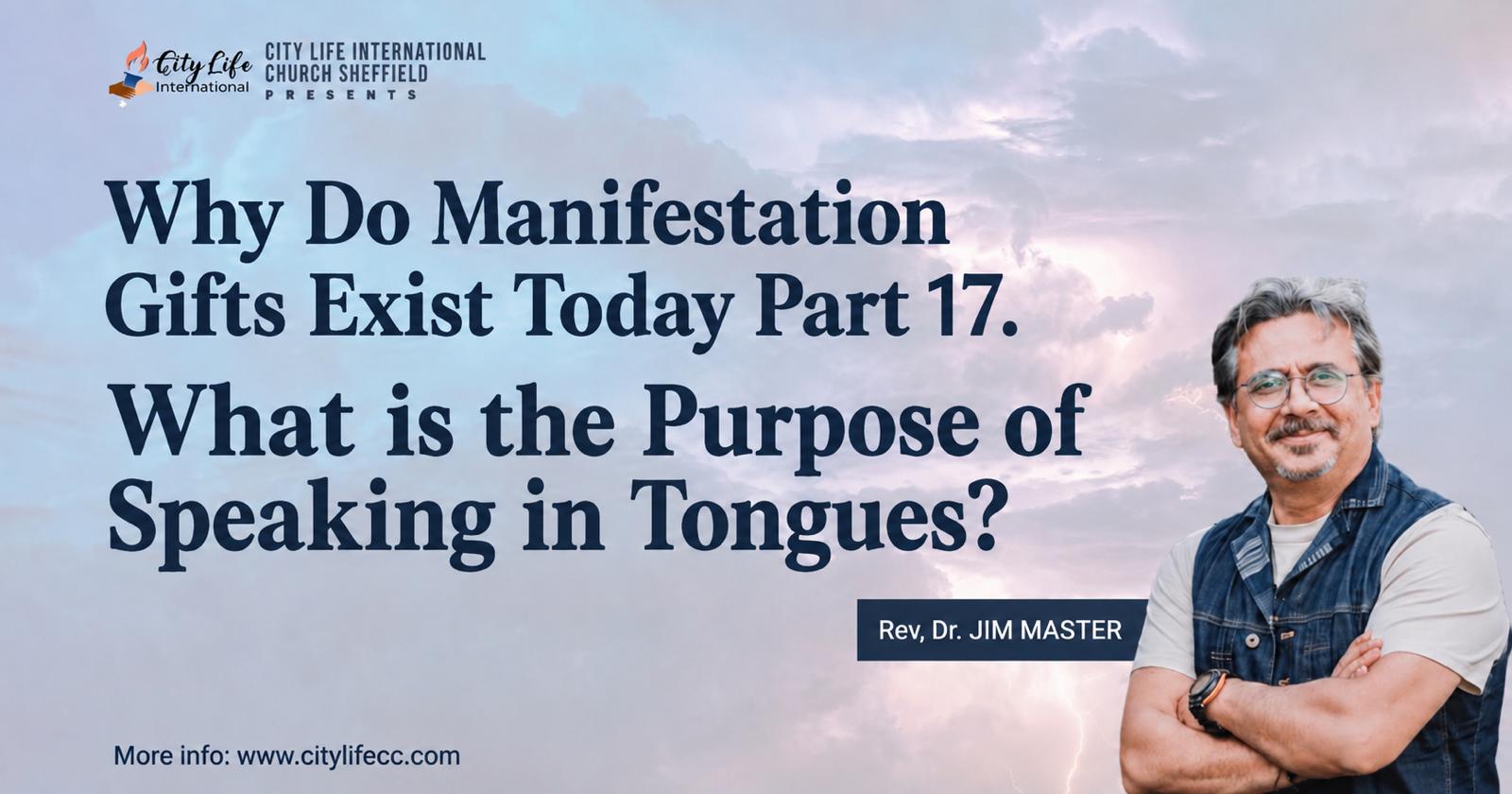
Why Do Manifestation Gifts Exist Today Part 17. What is the Purpose of Speaking in Tongues?
Rev, Dr Jim Master · Sep 13, 2026
The Book of Proverbs Part 7 Guard Your Heart
Pastor. Anthony Nicholson · Sep 6, 2026
Why Do Manifestation Gifts Exist Today Part 16 Discerning Spirits.
Rev, Dr Jim Master · Aug 30, 2026